
Apply the seasoning evenly by hand, pressing it into the meat’s surface to form a crust. The more even the coating, the better the flavor in every bite.
The two-step cooking method is what makes this recipe special. Start hot to create a crust, then let the residual heat finish the cooking slowly. This technique mimics the texture and doneness of true prime rib.
Keep the oven door closed during the resting cook time. Opening it early can cause heat loss and uneven results. Use a meat thermometer for best accuracy if you’re unsure.
After removing the roast, let it rest before carving. Slicing too soon can cause the juices to run out, leaving the meat dry. Carve thin slices against the grain for maximum
Variations
Swap the Italian seasoning with a mix of fresh rosemary and thyme for a more herbaceous, fragrant twist. Fresh herbs bring brightness to the rich beef flavor.
Add a mustard base under the dry rub for extra tang and moisture. Dijon mustard works well and helps the seasonings stick even better during cooking.
Try a smoky twist by adding smoked paprika or chipotle powder to the rub. This adds depth and a subtle heat that pairs beautifully with roasted meat.
If you prefer a garlic-forward flavor, use minced fresh garlic pressed into the roast along with the powder. The garlic will caramelize slightly, adding richness and aroma.
For a more peppery crust, increase the black pepper or use a coarsely ground blend. This gives the roast a steakhouse-style edge.
Make a simple pan gravy using the drippings by deglazing the pan with beef broth and whisking in a touch of flour or cornstarch. This adds a luxurious element to each slice.
Marinate the roast overnight with Worcestershire sauce and olive oil for added moisture and depth of flavor. This is especially useful if you’re
Tips
Use a meat thermometer for precision. For medium-rare, aim to remove the roast when it reaches around 125°F internally, as it will continue to cook during resting.
Allowing the roast to rest both before and after cooking is essential for juicy, tender meat. Rushing this step
Avoid opening the oven during the “off” period. Trapped heat is crucial for finishing the roast gently and evenly, mimicking slow roasting techniques.
Use a roasting rack if possible to elevate the meat and allow hot air to circulate. This prevents the bottom from getting soggy and helps with even browning.
Letting the roast rest under a loose foil tent preserves the temperature while avoiding steaming the crust. A tight cover can ruin the texture you’ve built during roasting.
Slice the meat thinly against the grain. This shortens the muscle fibers and ensures each bite is tender and easy to chew, especially for leaner cuts like eye of round.
Store leftovers in an airtight container with a bit of pan juice or broth to keep the meat moist when reheated. Slices make excellent sandwiches or can be added to salads.
Conclusion
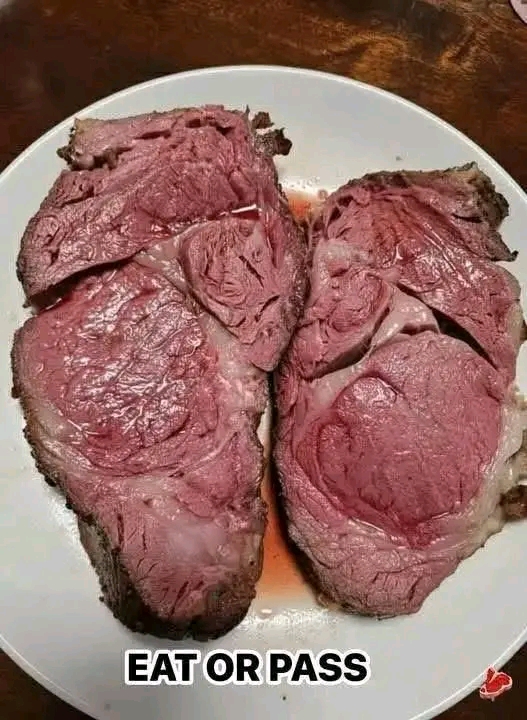
Poor Man’s Prime Rib proves that you don’t need an expensive cut of meat to enjoy a decadent roast dinner.
With the right seasoning and cooking technique, this humble eye of round transforms into a tender, flavorful dish worthy of any celebration.
Whether you’re feeding a crowd or preparing a special family meal, this recipe delivers reliable results every time. It’s a simple, satisfying way to enjoy the elegance of a classic roast without the high price tag.
For Complete Cooking STEPS Please Head On Over To Next Page Or Open button (>) and don’t forget to SHARE with your Facebook friends.


